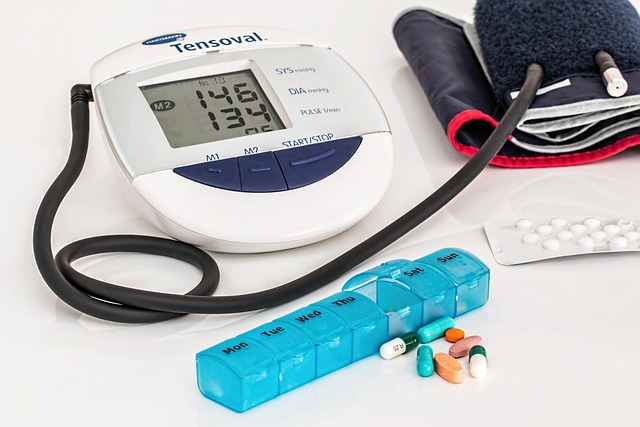
In the ever-evolving landscape of healthcare, improving patient outcomes and operational efficiency are paramount. Implementing kaizen events, a strategy rooted in continuous improvement, offers a powerful approach to enhance medical facilities’ performance. By drawing parallels with Six Sigma Projects in Healthcare, this article delves into the transformative potential of kaizen for addressing critical challenges within these institutions. We will explore how structured, data-driven initiatives can streamline processes, reduce errors, and ultimately foster better patient care. Through practical insights and expert guidance, we aim to equip healthcare professionals with the tools necessary to initiate and sustain successful kaizen events.
- Understanding Kaizen Events in Healthcare: A Comprehensive Overview
- Implementing Six Sigma Projects for Continuous Improvement in Medical Facilities
- Measuring Success: Evaluating the Impact of Kaizen Events on Patient Care and Outcomes
Understanding Kaizen Events in Healthcare: A Comprehensive Overview
Kaizen Events, rooted in lean manufacturing principles, have emerged as a powerful tool in healthcare settings, aiming to continuously improve processes and patient care. These events, focused on identifying and eliminating waste, can significantly enhance clinical outcome measurements and overall operational efficiency. In healthcare, where patient safety and quality of care are paramount, Kaizen offers a structured approach to address inefficiencies and enhance patient experiences.
A Kaizen Event, often referred to as a Black Belt Project in healthcare, typically involves a cross-functional team working collaboratively to solve a specific problem or optimize a process. These projects are designed to be iterative, with a continuous cycle of improvement. For instance, a medical facility might organize a Kaizen session to streamline the admission process, aiming to reduce wait times and improve patient satisfaction. Through methodical root cause analysis, the team identifies delays caused by inefficient documentation and communication, leading to actionable solutions. This systematic approach encourages healthcare professionals to identify and address inefficiencies, fostering a culture of continuous learning and improvement.
Integrating Kaizen with Six Sigma Projects in healthcare offers a synergistic strategy. Six Sigma, known for its data-driven methodology, provides a framework for defining and measuring defects, while Kaizen focuses on eliminating those defects through rapid, targeted improvements. Combining these approaches enables healthcare organizations to enhance performance monitoring dashboards, track key performance indicators (KPIs), and ensure consistent quality improvement. For example, a hospital could employ a Six Sigma project to analyze and reduce post-operative infection rates, while utilizing Kaizen events to address specific procedural steps identified during the analysis. This dual-approach ensures both a broad strategic view and localized, practical solutions.
To implement successful Kaizen Events, healthcare facilities should prioritize team training, fostering a culture of continuous improvement. Encouraging front-line staff to participate and contribute ideas is crucial. Regular performance monitoring and data analysis facilitate the identification of areas needing attention. By integrating Kaizen into the fabric of healthcare operations, medical departments can achieve remarkable enhancements in efficiency, patient safety, and clinical outcomes. For instance, a well-structured Kaizen initiative could lead to reduced wait times, improved medication administration accuracy, or streamlined discharge processes. To facilitate this, consider giving us a call at Process Mapping for Medical Departments to gain expert guidance tailored to your facility’s unique needs.
Implementing Six Sigma Projects for Continuous Improvement in Medical Facilities
Implementing Six Sigma Projects for Continuous Improvement in Medical Facilities
Six Sigma Projects in healthcare have emerged as a powerful strategy to enhance patient care and operational efficiency. By focusing on data-driven approaches and systematic problem-solving, medical facilities can effectively resolve medication management issues, a critical aspect of patient safety. For instance, a study by the Joint Commission found that implementing Six Sigma methodologies led to a 35% reduction in medication errors over a two-year period. This success lies in the structured nature of Six Sigma, which involves defining, measuring, analyzing, improving, and controlling (DMAIC) processes, ensuring every step is rooted in data and evidence.
Data visualization for healthcare executives plays a pivotal role in this process. Visual tools enable leaders to identify trends, bottlenecks, and areas for improvement with clarity. For example, creating a dashboard that tracks prescription accuracy rates over time can highlight recurring issues and guide targeted interventions. Quality control measures for medicine, such as double-checking prescriptions and implementing automated verification systems, become more effective when aligned with the DMAIC framework. By systematically gathering and analyzing data, healthcare organizations can make informed decisions, resolve issues at their root, and continuously enhance their services.
To harness the full potential of Six Sigma Projects in healthcare, medical facilities should consider collaborating with experts who specialize in quality improvement initiatives. Engaging such professionals can provide valuable insights, streamline implementation, and ensure best practices are tailored to the facility’s unique needs. For instance, a team of Six Sigma-trained specialists can facilitate root cause analysis sessions, train staff on data interpretation, and develop customized action plans for addressing medication management issues. By giving us a call at best practices for quality improvement, healthcare organizations can access these expertise resources, accelerating their journey towards excellence in patient care through evidence-based continuous improvement strategies.
Measuring Success: Evaluating the Impact of Kaizen Events on Patient Care and Outcomes
Implementing Kaizen events in medical facilities involves a structured approach to continuous improvement, with a strong focus on enhancing patient care and outcomes. Success in these initiatives is measured through rigorous evaluation, employing tools such as performance monitoring dashboards to track key metrics pre and post-event. These dashboards, tailored to specific healthcare settings, allow for real-time analysis of patient safety, satisfaction, and clinical efficiency indicators. For instance, a hospital implementing DMAIC (Define, Measure, Analyze, Improve, Control) for standardizing medical procedures can monitor the reduction in medication errors, wait times, and readmission rates, providing tangible evidence of improvement.
The impact of Kaizen events extends beyond immediate changes; it contributes to a culture of quality and safety within healthcare institutions. Six Sigma projects in healthcare, grounded in robust data analysis, play a pivotal role in this transformation. By employing root cause analysis techniques, healthcare professionals can identify not just symptoms but underlying issues hampering patient care. For example, a root cause analysis training in a nursing unit might reveal inefficiencies in communication between departments, leading to delays in medication administration. Addressing this root cause ensures sustained improvements and prevents recurring issues.
Evaluating success requires a multifaceted approach, encompassing qualitative and quantitative data. Patient feedback, clinician observations, and clinical outcomes data must be harmonized to gain a comprehensive view. For instance, a hospital’s performance monitoring dashboard might show reduced wait times and increased patient satisfaction alongside improved clinical outcomes, such as lower infection rates. These integrated metrics provide a clear picture of the event’s success and inform future initiatives. By adopting these comprehensive evaluation methods, medical facilities can ensure that Kaizen events translate into tangible improvements, fostering an environment of continuous learning and excellence.
To maximize the benefits of Kaizen events, healthcare organizations should integrate these practices into their operational DNA. Regular review of performance data and proactive implementation of improvements based on those insights are crucial. Engaging healthcare staff in the process fosters a sense of ownership and empowers them to contribute to quality enhancement. By giving us a call at Root Cause Analysis Training Healthcare, organizations can access expert guidance to navigate the complexities of implementing DMAIC and other Six Sigma methodologies, ultimately driving better patient care and outcomes.
Implementing Kaizen Events in medical facilities through Six Sigma Projects offers a powerful framework for continuous improvement and enhanced patient care. Key insights include the importance of fostering a culture of quality and involving front-line staff, who possess valuable insights. By systematically identifying and eliminating waste, these events can streamline processes, reduce errors, and ultimately improve patient outcomes. Measuring success involves tracking key performance indicators (KPIs) and collecting feedback from patients and healthcare professionals. This data-driven approach ensures that improvements are both quantitative and qualitative, leading to a more efficient, effective, and patient-centered healthcare environment. Moving forward, organizations can leverage Six Sigma Projects in Healthcare as a strategic tool to drive continuous excellence and deliver exceptional care.
Kaizen Events, rooted in lean manufacturing, revolutionize healthcare by continuously improving processes and patient care. Combining with Six Sigma Projects, these initiatives enhance performance monitoring, track KPIs, and ensure consistent quality. Success relies on team training, data analysis, and a culture of continuous improvement. Key benefits include reduced wait times, improved patient satisfaction, and enhanced clinical outcomes, with measurable impacts tracked through performance dashboards. Integrating these strategies fosters a culture of quality and safety, empowering staff to drive excellence in patient care.