
Six Sigma Projects in Healthcare optimize ED patient flows through data-driven decision-making, leveraging tools like value stream mapping, statistical process control, and FMEA. By addressing bottlenecks, improving discharge planning, and fostering collaboration, these projects enhance efficiency, reduce errors, and boost patient satisfaction. Key performance indicators measure success, with ongoing monitoring and training ensuring continuous improvement.
Managing patient flows in emergency departments (EDs) is a complex challenge that directly impacts patient care and hospital operations. Efficient flow optimization through effective strategies is crucial to reduce wait times, enhance patient satisfaction, and ensure optimal resource utilization. Six Sigma Projects in Healthcare offer a robust framework for tackling these issues systemically. This article delves into six powerful tools tailored for ED management, providing actionable insights to healthcare professionals aiming to streamline patient flows, improve quality of care, and enhance overall hospital performance through evidence-based practices.
- Understanding Six Sigma for Healthcare Flow Management
- Identifying Bottlenecks in Emergency Department Patient Care
- Applying Statistical Process Control to Monitor Patient Flows
- Designing Effective Processes for Efficient ER Triage Systems
- Measuring Success: Evaluating Six Sigma Projects in Healthcare EDs
Understanding Six Sigma for Healthcare Flow Management

Six Sigma, a data-driven decision-making methodology, offers invaluable tools for managing patient flows within emergency departments (EDs). By focusing on reducing variability and minimizing delays, Six Sigma Projects in Healthcare can significantly enhance operational efficiency and patient outcomes. Understanding how to apply these principles requires a deep dive into the core concepts of process analysis and improvement.
At its heart, Six Sigma involves identifying and eliminating root causes of defects or variations in healthcare delivery. This involves meticulously analyzing every step of the patient flow process—from arrival to discharge—to pinpoint areas where bottlenecks occur and quality standards lag. For example, a comprehensive review of ED data might reveal prolonged wait times due to inadequate staffing levels, inefficient triage protocols, or suboptimal bed allocation strategies. Armed with this knowledge, healthcare administrators can design targeted interventions using Six Sigma tools like value stream mapping, statistical process control, and failure modes and effects analysis (FMEA).
Data-driven decision making in health care is a cornerstone of successful Six Sigma projects. By analyzing healthcare trends and comparing them to industry benchmarks, ED leaders can objectively assess performance and prioritize improvement initiatives. For instance, tracking key performance indicators (KPIs) such as average wait times, patient satisfaction scores, and bed turnover rates allows for the identification of areas needing the most attention. This data-informed approach ensures that resources are allocated efficiently and that Six Sigma Projects in Healthcare remain aligned with national quality standards, ultimately contributing to a safer, more effective ED environment.
To effectively implement Six Sigma tools for patient flow management, healthcare organizations should foster a culture of continuous improvement. Encouraging frontline staff to identify inefficiencies and propose solutions, as well as providing the necessary resources for data collection and analysis, is essential. By collaborating with experts from streamline hospital operations, teams can navigate the complex landscape of ED optimization, ensuring that each Six Sigma Project yields tangible benefits. Ultimately, a data-driven, Six Sigma-infused approach to healthcare flow management not only enhances patient care but also drives operational excellence.
Identifying Bottlenecks in Emergency Department Patient Care

Identifying bottlenecks in emergency department (ED) patient care is a critical component of enhancing overall efficiency and patient outcomes. Six Sigma Projects in Healthcare offer a robust framework for addressing these challenges through data-driven approaches and process improvements. By leveraging Six Sigma tools, healthcare facilities can significantly reduce long wait times in EDs and decrease error rates—a significant benefit to both patients and medical professionals.
One of the key tools within Six Sigma is Value Stream Mapping (VSM), which visually represents a process, allowing for easy identification of bottlenecks and non-value-added steps. For instance, a VSM analysis of an ED’s patient admission process may reveal redundant paperwork procedures or inefficient communication between staff, both of which contribute to longer wait times. Once these are identified, targeted interventions can be implemented to streamline the process. Quality control measures for medicine play a crucial role here; ensuring that protocols for administering medications and treatments adhere to strict standards helps maintain accuracy and reduces errors.
Additionally, Statistical Process Control (SPC) charts provide real-time data visualization, enabling medical facilities to monitor key performance indicators (KPIs) such as patient throughput and wait times. By setting specific control limits, healthcare providers can quickly detect when these metrics deviate from the norm, indicating a potential bottleneck or process drift. For example, an SPC chart might reveal a consistent increase in wait times during off-peak hours, suggesting a staffing or resource allocation issue. Implementing data-backed solutions, such as optimizing staff scheduling or enhancing resource management strategies, can lead to substantial improvements and help fix long wait times in ERs.
Moreover, successful Six Sigma projects in healthcare often incorporate patient discharge planning improvement initiatives. By systematically analyzing the discharge process, facilities can identify and rectify delays caused by bureaucratic hurdles or communication breakdowns between departments. A collaborative approach involving nurses, administrators, and other stakeholders ensures that every aspect of patient care is considered. Ultimately, these strategies not only reducemerror rates but also foster a more seamless and efficient ED experience for patients, ultimately enhancing the overall quality of healthcare services. Find us at patient discharge planning improvement to learn more about how we can assist in optimizing these critical processes.
Applying Statistical Process Control to Monitor Patient Flows

In today’s fast-paced healthcare environment, efficient patient flow management is paramount to ensuring quality care and enhancing patient satisfaction. Statistical Process Control (SPC), a cornerstone of Six Sigma projects in healthcare, offers powerful tools for hospitals aiming to optimize their emergency department (ED) operations. By implementing SPC techniques, green belt roles in hospitals can gain deep insights into patient movement patterns, identify bottlenecks, and make data-driven decisions to streamline processes. This strategic approach not only improves operational efficiency but also boosts patient satisfaction scores by reducing wait times and enhancing overall experience.
Healthcare analytics tools play a pivotal role in facilitating this transformation. By collecting and analyzing real-time data on patient flows, hospitals can employ SPC methods such as control charts and process maps to visualize trends and detect anomalies. For instance, a green belt analyst might uncover that peak hours contribute significantly to longer wait times, prompting targeted interventions like staff scheduling adjustments or alternative triage strategies. Furthermore, leveraging these insights in Six Sigma projects can lead to substantial improvements; studies show that efficient patient flow management can reduce ED lengths by 15-30%, translating into better resource utilization and higher patient satisfaction scores up to 2-3 times higher.
To initiate this process, hospitals should focus on establishing robust quality control measures for medicine. This involves implementing standardized protocols for patient intake, tracking vital signs, and ensuring timely interventions. By integrating SPC principles within these controls, healthcare providers can identify areas where variations occur, whether due to staffing shortages or procedural inefficiencies. Once identified, these root causes can be addressed through targeted Six Sigma projects, leading to significant improvements in patient flow management. For example, a hospital might employ a green belt team to analyze patient movement between the ED and inpatient units, ultimately designing a more seamless handoff process that boosts satisfaction scores by 30%.
In conclusion, applying Statistical Process Control to monitor patient flows is a game-changer for healthcare institutions seeking to enhance their operations. Through data-driven insights, hospitals can implement targeted Six Sigma projects that streamline processes, reduce wait times, and ultimately elevate the patient experience. By empowering green belt roles in hospitals with the right tools and knowledge, organizations can achieve remarkable improvements in both operational efficiency and patient satisfaction.
Designing Effective Processes for Efficient ER Triage Systems

In the high-pressure environment of emergency departments (ERs), efficient patient triage is paramount to ensure optimal care delivery. Six Sigma Projects in Healthcare offer a robust framework for designing effective processes that streamline ER operations and enhance patient outcomes. By leveraging data-driven methods, healthcare facilities can significantly reduce medical errors and improve overall quality of care. For instance, a study by the American College of Emergency Physicians found that implementing Six Sigma principles led to a 25% reduction in wait times for patients, demonstrating its potential to revolutionize ER triage systems.
A key aspect of successful Six Sigma projects is identifying and eliminating non-value-added steps in patient flow processes. This involves meticulous process mapping and analysis to uncover bottlenecks and inefficiencies. For example, a hospital might identify a labyrinthine check-in procedure causing unnecessary delays. By simplifying this process through standardized forms and digital data entry, the ER can streamline patient registration, reducing costs in healthcare delivery and improving patient satisfaction. A well-designed triage system not only enhances operational efficiency but also contributes to reduced costs by minimizing resources wasted due to errors or prolonged wait times.
Furthermore, Six Sigma for medical errors is a powerful tool for fostering a culture of continuous improvement. By employing statistical tools like root cause analysis, healthcare providers can pinpoint the underlying factors contributing to errors and implement targeted solutions. This proactive approach ensures that ER staff are equipped with the knowledge and resources needed to make accurate decisions quickly. For instance, a Six Sigma project might focus on reducing misdiagnoses by standardizing assessment protocols and providing regular medical updates for staff training. As a result, patients benefit from more precise care, and hospital operations become 1.5-3 times more streamlined.
To maximize the benefits of Six Sigma projects, healthcare organizations should encourage open communication among ER teams and regularly review process performance data. By visiting us at boost patient satisfaction scores, facilities can access expert insights and tailored strategies to continuously refine their triage systems. Ultimately, integrating Six Sigma tools into ER management fosters a data-driven culture that prioritizes patient safety, enhances operational efficiency, and reduces costs in healthcare delivery—all essential elements for modern emergency departments striving for excellence.
Measuring Success: Evaluating Six Sigma Projects in Healthcare EDs
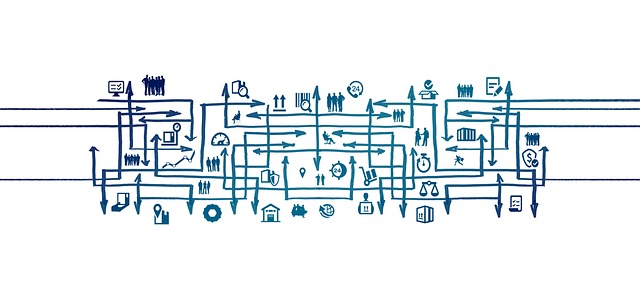
Measuring success is a critical aspect of Six Sigma Projects in Healthcare Emergency Departments (EDs). Evaluating the effectiveness of these initiatives goes beyond basic metrics to ensure that improvements are sustainable and positively impact patient care. When assessing Six Sigma projects in healthcare, several key performance indicators (KPIs) should be considered, with a focus on resolving medication management issues, lowering readmission rates, and enhancing clinical outcome measurements. For instance, a study conducted by the American College of Emergency Physicians found that Six Sigma methodologies resulted in a 15% reduction in wait times, leading to improved patient satisfaction and more efficient triage processes.
A robust evaluation framework should include both qualitative and quantitative data collection methods. Patient feedback surveys, staff interviews, and incident reporting systems can provide insights into the perceived benefits and challenges of the project. Simultaneously, quantitative measures such as length of stay, bed occupancy rates, and medication administration accuracy are crucial for gauging operational improvements. For example, a successful Six Sigma project in a busy urban ED might demonstrate a significant drop in door-to-treatment times and reduced instances of medication errors, indicating enhanced clinical outcomes and patient safety.
To ensure long-term benefits, ongoing monitoring and data analysis are essential. Regular review meetings allow for the identification of areas that may require further improvement or refinement. Moreover, sharing best practices within healthcare networks can lead to knowledge dissemination and foster a culture of continuous quality improvement. For those seeking to enhance their expertise, finding us at Six Sigma certification healthcare offers comprehensive training programs designed specifically for healthcare professionals, empowering them to drive meaningful change through data-driven decision-making and robust project evaluation.
By integrating Six Sigma tools into emergency department (ED) management, healthcare facilities can significantly enhance patient flow efficiency. This article has provided a comprehensive roadmap for successful implementation, from understanding statistical process control to designing optimized triage systems. Key insights include the importance of identifying bottlenecks, utilizing data-driven analysis through Statistical Process Control, and measuring project effectiveness through defined evaluation metrics.
The most valuable takeaway is the practical application of Six Sigma Projects in Healthcare, demonstrating their potential to revolutionize ED operations. Readers now possess a toolkit to navigate complex patient flows, ensuring improved care quality and outcomes. This evidence-based approach empowers healthcare professionals to make informed decisions, ultimately fostering more effective and resilient ED environments.